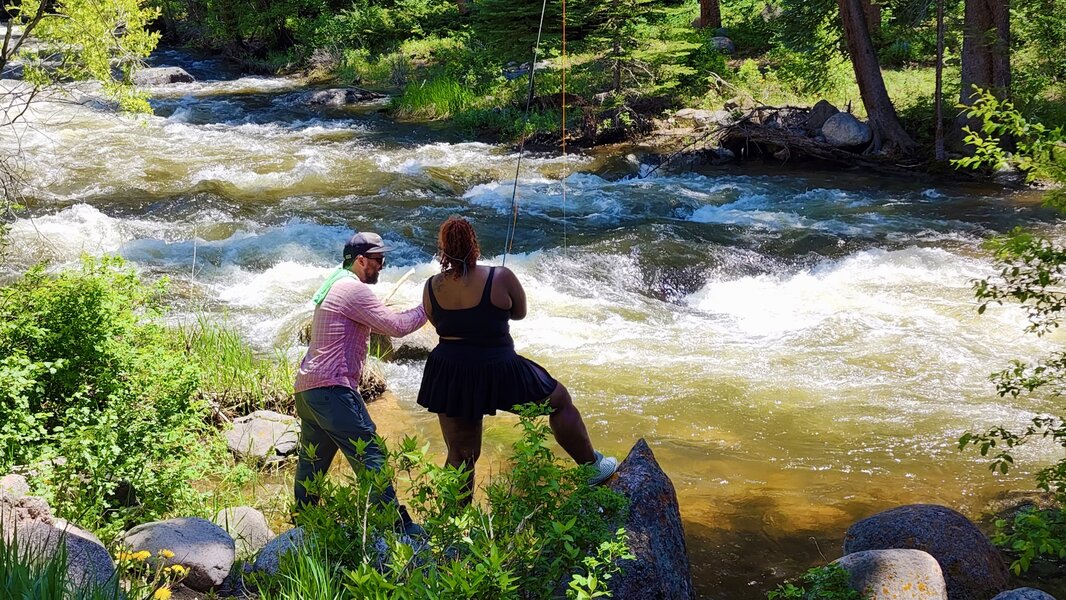
In recent years, the conversation around outdoor recreation has shifted towards inclusivity and accessibility. Historically, outdoor spaces have often been perceived as reserved for certain groups, leaving marginalized communities with limited opportunities to enjoy nature. This narrative is changing as advocates and organizations work tirelessly to ensure that everyone, regardless of background or ability, can experience the outdoors.
One of the key issues is physical accessibility. Many parks and natural reserves lack the necessary infrastructure to accommodate individuals with disabilities. This includes the absence of wheelchair-friendly trails, accessible restrooms, and adaptive equipment. Recognizing these shortcomings, several initiatives have been launched to retrofit existing facilities and design new spaces that are inclusive from the ground up.
Beyond physical barriers, economic and social factors also restrict outdoor participation. For many low-income families, the cost of gear, transportation, and permits can be prohibitive. To address this, community programs and nonprofits are providing free or low-cost equipment rentals, transportation services, and guided experiences to encourage broader participation.
Furthermore, cultural perceptions and lack of representation can discourage certain groups from engaging with outdoor activities. Media campaigns and community outreach efforts aim to showcase diverse role models and promote the idea that outdoor recreation is for everyone. Educational programs in schools and community centers help foster a love for nature among young people from all backgrounds.
Policy changes at local, state, and federal levels are also playing a crucial role. Legislation that mandates inclusive design standards and allocates funding for accessible infrastructure is essential for creating equitable outdoor spaces. Some cities have adopted innovative approaches, such as urban green spaces and pocket parks, to bring nature closer to underserved neighborhoods.
Ultimately, the goal is to create a future where the outdoors truly belong to all of us. By breaking down physical, economic, and social barriers, society can foster a culture of inclusivity and shared stewardship of natural resources. Everyone deserves the opportunity to connect with nature, find solace in its beauty, and enjoy the physical and mental health benefits that outdoor recreation provides.